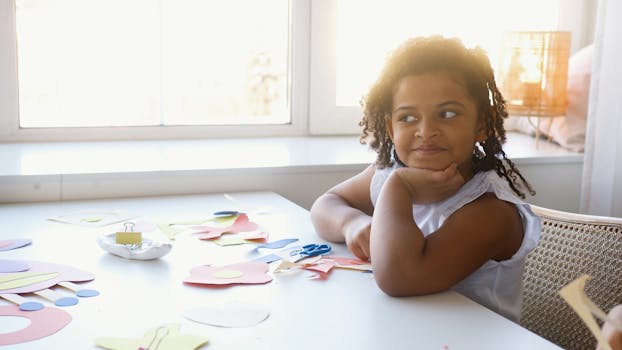

The phrase “girl room design” often conjures a predictable tableau: a cascade of pink, an abundance of frills, and a certain saccharine sweetness. But is this limited vision truly serving the multifaceted individuals we aim to nurture? In my experience, a more profound approach to designing spaces for girls involves moving beyond these simplistic archetypes and delving into the intricate layers of personality, developmental stages, and aspirational futures. It’s about crafting environments that are not just aesthetically pleasing, but functionally supportive and deeply resonant.
Unpacking the ‘Girl’ in Girl Room Design
What does “girl” even signify in the context of interior design? It’s a construct, and like all constructs, it can be restrictive. Our daughters, nieces, and young mentees are not monolithic entities; they are individuals with unique passions, evolving interests, and distinct ways of interacting with their environment. A truly effective girl room design recognizes this inherent diversity. Instead of defaulting to a pre-packaged aesthetic, we should be asking: What sparks this particular child’s imagination? What activities does she engage in most? How can her room facilitate her growth, not just reflect a societal expectation?
This shift in perspective moves the focus from mere decoration to intentional environmental creation. It’s about understanding that a space can be a powerful tool for self-discovery, a sanctuary for quiet contemplation, and a vibrant hub for creative exploration.
Cultivating Zones for Growth and Play
Effective girl room design hinges on creating distinct zones within the bedroom, each serving a specific purpose. This isn’t about rigidly sectioning off areas, but rather about thoughtfully arranging furniture and décor to delineate function without sacrificing flow.
The Creative Nexus: This area should be a dynamic space dedicated to artistic pursuits, crafting, or even digital creation. Think ample desk space, accessible storage for art supplies, good lighting, and walls that can be utilized for inspiration boards or displaying work. Consider a comfortable seating option for brainstorming sessions.
The Quiet Sanctuary: Every child needs a space for relaxation and introspection. This might be a cozy reading nook with plush cushions and a soft rug, a window seat with a view, or simply a comfortable bed with plenty of pillows. The emphasis here is on comfort, calm colors, and minimal distractions.
The Active Arena: Depending on the child’s age and interests, this zone might be for imaginative play, a mini home gym, or simply a clear floor space for dancing or building. Storage solutions that encourage tidiness are paramount here, perhaps with modular bins or wall-mounted units.
The Power of a Flexible Framework
One of the most enduring challenges in designing for children is their rapid evolution. What captivates a seven-year-old might feel juvenile to a thirteen-year-old. Therefore, a crucial element of intelligent girl room design is inherent flexibility.
Modular Furniture: Opting for furniture that can adapt or be reconfigured is a wise investment. Beds with integrated storage, desks with adjustable heights, and shelving units that can be rearranged offer longevity.
Neutral Base, Vibrant Accents: Establish a foundation of neutral wall colors and larger furniture pieces. This allows for easy updates to the room’s personality through easily interchangeable accessories like bedding, throw pillows, artwork, and rugs. A quick swap of a few items can completely transform the feel of the space without a major overhaul.
Wall Treatments That Evolve: Instead of wallpaper that might quickly go out of style, consider durable paint finishes. For added interest, explore removable wall decals, magnetic paint surfaces, or large corkboards that can be continuously updated with art, photos, and inspiration.
Beyond the Binary: Incorporating Personality and Passion
This is where girl room design truly shines and distinguishes itself from generic trends. How do we weave in the essence of the individual child?
Hobby Integration: If she’s a budding astronomer, incorporate celestial motifs subtly. If she’s an avid reader, ensure her book collection is celebrated with beautiful shelving. For the budding musician, a dedicated corner for her instrument can be both functional and inspiring.
Color Psychology, Not Just Preference: While personal preference is key, understanding the psychological impact of colors can elevate the design. Blues and greens often promote calmness, while yellows and oranges can stimulate creativity. Consider using color strategically to enhance the purpose of each zone.
* Personalized Decor: Encourage her to contribute to the room’s décor. This could be through framed artwork, a gallery wall of her favorite photos, or even a DIY project she’s proud of. These elements imbue the space with a sense of ownership and personal history.
The Unseen Benefits: Fostering Independence and Responsibility
A thoughtfully designed room does more than just look good; it actively contributes to a child’s development. When a room is organized, functional, and tailored to her needs, it empowers a girl to take ownership of her space. Accessible storage systems encourage tidiness, making the task of cleaning up less of a chore and more of a habit. This fosters a sense of responsibility and independence, vital life skills that extend far beyond the bedroom walls. Furthermore, a room that truly reflects her interests can be a powerful motivator, making her more inclined to spend time there, engaging in activities that foster learning and personal growth.
Final Thoughts: The Evolving Canvas
Ultimately, the most impactful girl room design is not about adhering to a static aesthetic, but about creating an evolving canvas that supports a child’s journey. It’s about listening, observing, and co-creating a space that feels like an extension of her evolving self. The goal is to move beyond the superficial and into the substantive, crafting environments that nurture individuality, spark creativity, and provide a true sanctuary for growing minds.